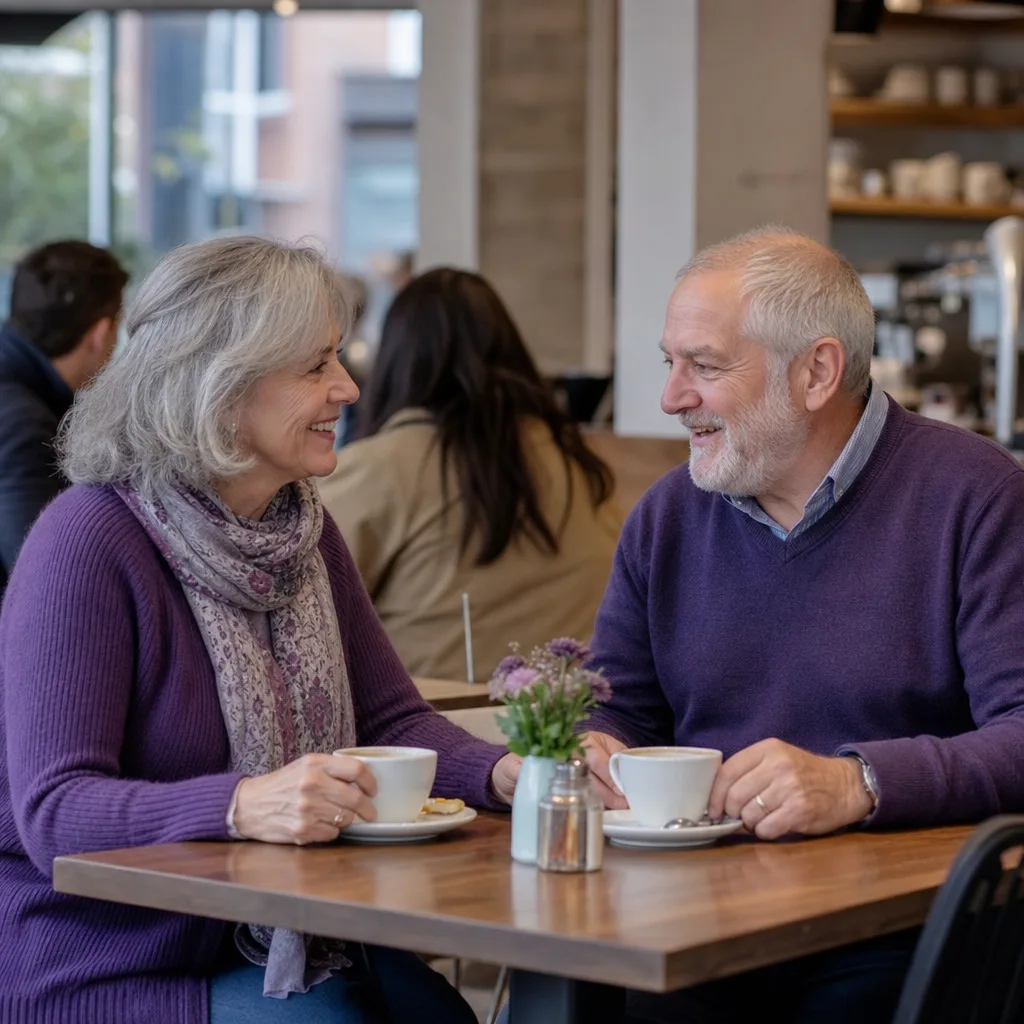
What free really means, how to stay safe and how to meet someone nearby without being rushed.
You create a profile, add a photograph and begin a promising conversation. Then the site asks for payment before you can read the reply. That is the catch many people discover when searching for free widow dating sites in the UK.
There is nothing wrong with a dating service charging a fair price. Running identity checks, moderation and customer support costs money. The problem is vague wording. Free to join may mean that registration costs nothing while useful features, including private messages, require a subscription.
Are any widow dating sites completely free in the UK?
Some UK dating services provide free communication, but many only offer free registration, profile browsing or limited messages.
Check what you can actually do before spending time on a profile. A useful free account should let you see whether there are plausible members nearby, adjust your search area and understand how contact works. If the pricing page remains hidden until after registration, be cautious.
| Claim | What it commonly means | What to check |
|---|---|---|
| Free to join | You can register and create a profile | Whether reading and sending messages costs extra |
| Free membership | Basic functions are available without payment | Any daily limits or restricted search tools |
| Free trial | Paid functions are available temporarily | The end date and whether payment starts automatically |
| Premium subscription | Additional contact or visibility features are included | Renewal terms, billing period and cancellation method |
The label matters less than the practical answer: can you find local people, speak to them and leave without a struggle?